Can Indian Doctors Practice in Japan?
Can Indian Doctors Practice in Japan? A Guide to Licensing, Language, and Career Pathways

Japan is known for its advanced healthcare system, high standards of medical care, and cutting-edge medical technology. Naturally, many Indian doctors wonder whether they can build a medical career there.
The short answer is: yes, but the process is extremely challenging.
Unlike countries such as the United Kingdom, Germany, or United States, Japan does not provide a straightforward pathway for Indian MBBS graduates to begin practicing medicine directly. Foreign doctors must satisfy strict licensing, language, and clinical training requirements before they can legally work as physicians in Japan.
This article explains the real process, common misconceptions, challenges, and practical alternatives for Indian medical professionals interested in Japan.
Can Indian Doctors Directly Practice in Japan?
No.
An Indian MBBS degree alone is not sufficient to practice medicine in Japan. Foreign medical graduates must obtain a Japanese medical license before working as doctors.
The licensing process is regulated by the Ministry of Health, Labour and Welfare (MHLW), which evaluates foreign medical qualifications individually.
Why Is the Process So Difficult?
The biggest obstacle is not medicine itself — it is the Japanese language and medical system integration.
Japan’s healthcare environment requires:
- Advanced communication with patients,
- Accurate understanding of medical terminology,
- Knowledge of Japanese clinical protocols,
- Familiarity with legal and ethical standards,
- Smooth coordination with Japanese hospital staff.
Since patient safety depends heavily on communication accuracy, Japan maintains very strict standards for foreign physicians.
Step-by-Step Pathway for Indian Doctors
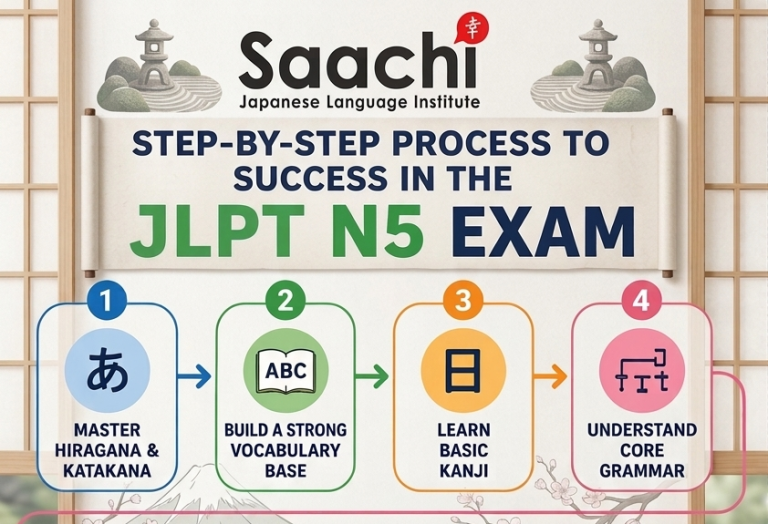
1. Japanese Language Proficiency
Before anything else, strong Japanese ability is essential.
Although there is no official nationwide rule stating “JLPT N1 is mandatory,” in practice, most successful candidates reach approximately:
- JLPT N1 level, or
- Equivalent professional fluency.
Medical Japanese is significantly more difficult than everyday Japanese. Doctors must understand:
- Patient interviews,
- Handwritten notes,
- Emergency communication,
- Technical terminology,
- Hospital documentation.
For many candidates, language preparation alone takes several years.
2. Qualification Review by Japan’s Health Ministry
Indian doctors must submit their:
- MBBS degree,
- Internship records,
- Medical license,
- Curriculum details,
- Supporting documents
to the Ministry of Health, Labour and Welfare for evaluation.
Japan does not automatically recognize Indian medical qualifications through reciprocal agreements.
After review, authorities determine whether the applicant:
- Qualifies for further examination,
- Requires additional screening,
- Must take preliminary examinations.
3. Preliminary Examination (in Many Cases)
Many foreign medical graduates are required to take a preliminary licensing examination before proceeding further.
This exam is conducted entirely in Japanese and evaluates:
- Medical knowledge,
- Clinical understanding,
- Communication ability.
The exact requirements vary depending on:
- Country of graduation,
- Educational curriculum,
- Prior clinical training.
4. National Medical Licensing Examination

Candidates who pass the required screening stages may become eligible for Japan’s National Medical Licensing Examination.
This examination is considered extremely difficult for foreign doctors because it combines:
- Advanced medicine,
- Highly technical Japanese,
- Legal terminology,
- Fast-paced clinical reasoning.
The exam is usually conducted annually.
5. Clinical Residency Training in Japan
Even after passing examinations, doctors must complete supervised clinical training in Japan.
Japan’s standard initial residency system generally involves:
- Approximately 2 years of postgraduate clinical training.
Only after completing these requirements can a doctor obtain full authorization to practice independently.
How Long Does the Entire Process Take?
Many online articles underestimate the timeline.
For an Indian doctor starting from beginner-level Japanese, a more realistic estimate is:
| Stage | Estimated Time |
|---|---|
| Japanese language study (to N2) | 1.5–2 years |
| Advanced Japanese + medical Japanese | 1–2 years |
| Licensing exam preparation | 1 year |
| Residency and clinical training | 2 years |
In reality, the full journey often takes:
4–6 years or longer.
Common Challenges Faced by Indian Doctors
Language Barrier
Medical Japanese is highly specialized and fast-paced. Even fluent Japanese learners may struggle in real hospital environments.
Cultural Adaptation
Japanese hospitals emphasize:
- Hierarchy,
- Teamwork,
- Precision,
- Detailed documentation,
- Formal communication.
Adapting to these expectations can take time.
Limited Foreign Doctor Integration
Compared with countries like the United Kingdom or Germany, Japan still has relatively limited integration pathways for foreign physicians.
While Japan does face doctor shortages in some rural areas, licensing standards remain strict.
Alternative Healthcare Career Pathways in Japan
Because physician relicensing is extremely demanding, many Indian healthcare professionals explore alternative careers in Japan such as:
- Medical research,
- Biotechnology,
- Pharmaceutical companies,
- Clinical research coordination,
- Healthcare IT,
- Medical translation and interpretation,
- Nursing,
- Caregiving services.
These fields may provide faster and more accessible entry routes into Japan’s healthcare ecosystem.
Is It Worth It?
That depends on your goals.
Japan offers:
- Advanced medical infrastructure,
- Strong research opportunities,
- High-quality healthcare systems,
- Unique professional environment.
However, the pathway requires:
- Long-term commitment,
- Serious Japanese language study,
- Patience.
For highly motivated candidates willing to invest several years in preparation, it is possible — but it is far from easy.
What About Indian Doctors Practicing in China or Eastern Europe?
Indian doctors who studied or practiced in countries such as China, Russia, Ukraine, Georgia, Kazakhstan, or other Eastern European nations generally do not receive any major shortcut for practicing medicine in Japan.
Japan evaluates foreign medical graduates based on their medical curriculum, internship structure, clinical exposure, licensing status, and compatibility with Japanese medical standards rather than nationality alone.
Even experienced doctors practicing abroad are usually still required to complete Japanese licensing procedures, language requirements, and clinical training before independently practicing medicine in Japan.
Additional Challenges
• Differences in curriculum and internship structures may lead to additional scrutiny during qualification review.
• Doctors trained in English-medium international programs often face the challenge of relearning medical terminology in Japanese.
• Advanced Japanese communication skills remain essential regardless of prior overseas clinical experience.
Research and Academic Pathways
Some foreign-trained doctors enter Japan more easily through research, PhD programs, biomedical research, university hospitals, pharmaceutical companies, or academic collaborations. These pathways may not require full Japanese physician licensing if the individual is not independently practicing medicine.
Final Thoughts

Indian doctors can practice medicine in Japan, but only after completing Japan’s demanding licensing and training process.
The biggest hurdle is not medical knowledge alone. Success depends heavily on:
- Advanced Japanese proficiency,
- Adaptation to Japanese clinical culture,
- Persistence through a long qualification pathway.
For some doctors, the effort may be worthwhile. For others, alternative healthcare careers in Japan may offer more practical opportunities with fewer barriers.
Understanding the reality before starting the journey is essential.
Official Resources